
Accessibility Accessibility icon
CONSULTATION (303) 951-5829
Accent Image
Vogue Says Micro-Treatments are the New Facelifts…and We Agree!

Vogue Says Micro-Treatments are the New Facelifts…and We Agree!

Vogue Says Micro-Treatments are the New Facelifts…and We Agree!

March 14, 2017

Getting older can be the pits, a fact most of us can agree on. Jancee Dunn, a writer for Vogue, recently dedicated an article to her personal struggles with “middle-age resting face”—and her words are relatable.

“My interior age has, for longer than I can remember, hovered around 30. On the outside, however, I recently turned 50, a number that still surprises me when I say it aloud. Similarly, when I catch an unexpected glimpse of my face, for a few unreal seconds, I often do not recognize myself—a jarring sensation the French call a coup de vieux.”

Jancee Dunn, Vogue Writer

But what can you do? At-home products may no longer cut it, but is plastic surgery the only option for truly noticeable improvement? What I know, and what Miss Dunn found out, was that a facelift (or other invasive procedure) is no longer always needed if you want to look more youthful.

Advances in minimally invasive technology give patients more options—and natural-looking results

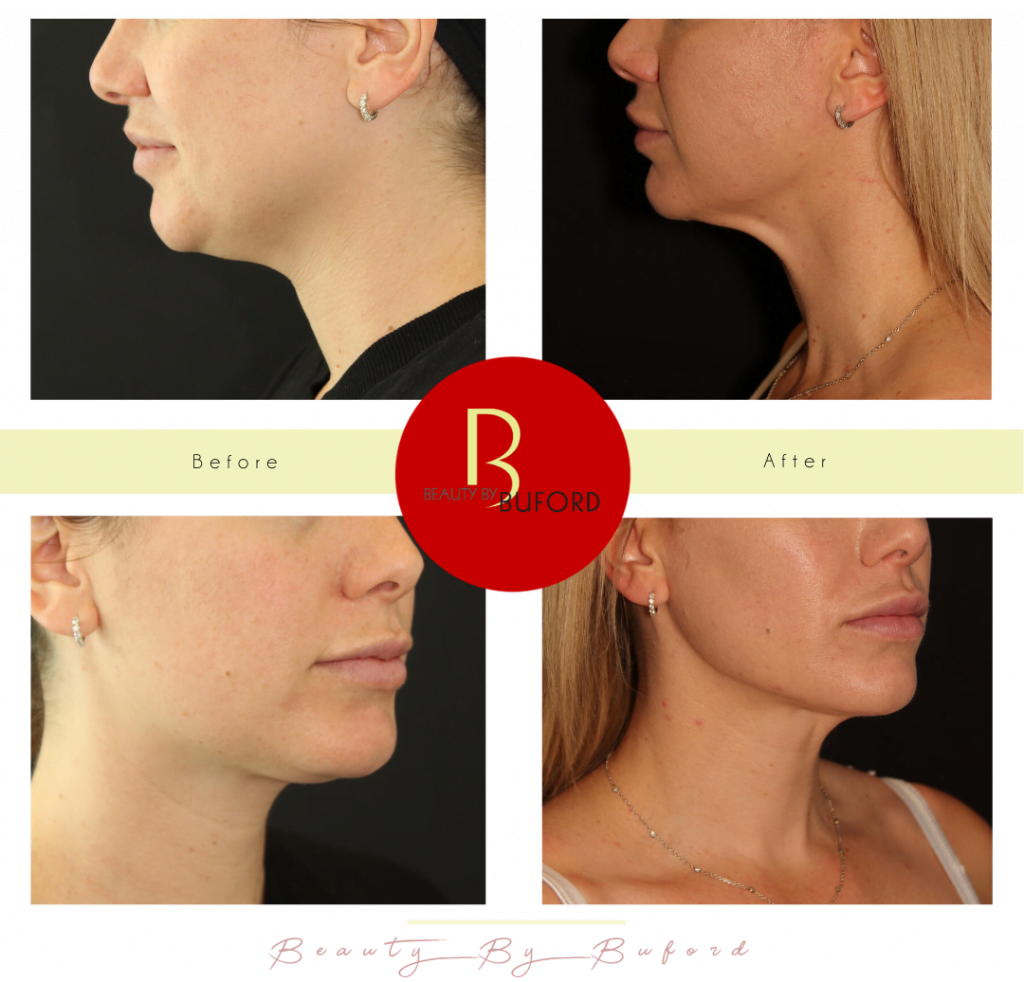
The world of cosmetic medicine has changed dramatically over the last decade. New techniques and improved technology mean we can offer patients more and more options that yield gorgeous results without the cost, downtime, or discomfort of surgery.

“Gravity finds us all, no matter how many green drinks you tip back or how diligently you hit the gym. My face has sunken in places and drooped in others. One of the many consequences of what I’ll call middle-age resting face is that I’ll look irritated when I’m in a perfectly sunny mood.”

Jancee Dunn

Despite promises of no downtime and a great outcome, Jancee still had a few reservations about having any “work” done. She wanted to avoid the unnatural look, but she was also worried that subtle tweaks over time would eventually make her look unrecognizable. Her chosen physician put her mind at ease with a multi-step treatment protocol lasting around a year—and two weeks after her first session, Jancee knew she was going down the right path. Now the reflection shining back had a more youthful, radiant glow.

How I approach micro-treatments at my practice

Hint: the key is balancing innovative solutions with patient-focused care

Here at BEAUTY by BUFORD, we are committed to utilizing cutting-edge technology with verifiable results. But anti-aging medicine is not one-size-fits-all; my superb team and I work closely with every patient to design a treatment plan tailored to their specific needs and desires.

While a majority of aesthetic medical providers are offering single-option treatments, there is a growing trend among more progressive providers to look at combination approaches that are more synergistic and potentially offer greater bang for the buck.

For my patients who are hoping to offset, or even eliminate, the need for more dramatic intervention in the future, I usually recommend a combination of treatments that target different concerns. When you come in for a consult, expect to hear about a few of these solutions (and more!) as part of your treatment protocol:

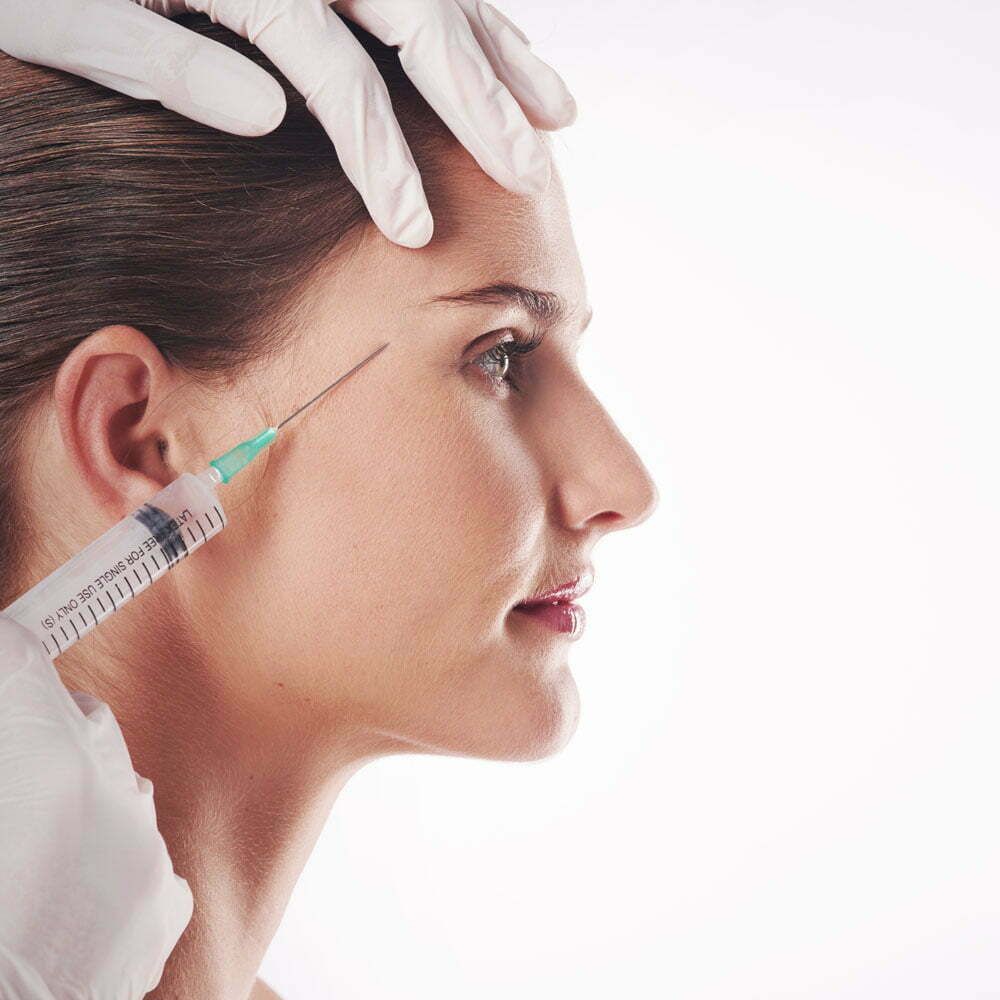
  • Injectable treatments, such as BOTOX® to soften expression lines or fillers to restore lost volume.
  • Chemical peels to soften lines, improve skin tone and texture, and improve any age or sun spots.
  • Microneedling with platelet rich plasma (PRP) to improve overall skin health and address common age-related concerns.
  • Thermi® skin tightening treatments to lift sagging tissues and improve skin firmness.
  • A prescribed regimen of medical-grade skincare.

Now you can see why I loved reading Jancee Dunn’s Vogue piece and highly encourage you to check it out too. You can find the full article here.

Visualize your NEW LOOK in 3D NOW

START NOW
Natrelle® Breast Implants
IMPORTANT SAFETY INFORMATION

Breast implants are not lifetime devices. The longer patients have them, the greater the chance they will develop complications, which may require more surgery. Breast implants have been associated with a cancer of the immune system called breast implant–associated anaplastic large cell lymphoma (BIA-ALCL). Some patients have died from BIA-ALCL. Patients have also reported a variety of systemic symptoms such as joint pain, muscle aches, confusion, chronic fatigue, autoimmune diseases, and others.

Natrelle® Breast Implants are for breast augmentation and revision surgery in women at least 22 years old for silicone-filled implants and women at least 18 years old for saline-filled implants.

You should not get breast implants if you currently have an active infection, untreated breast cancer or precancer, or are pregnant or nursing. Tell your doctor about any conditions you have, any medications you are taking, and any planned cancer treatments. Breast implantation is likely not a one-time surgery.

Having implants removed and not replaced may lead to permanent cosmetic changes of the breasts. Breast implants may affect breastfeeding. Gel implants may rupture without symptoms, so periodic imaging after surgery is recommended.

Key complications are reoperation, implant removal, implant rupture, implant deflation with saline-filled implants, and severe capsular contracture.

Talk to your doctor for more information.

The use of Natrelle® Breast Implants is restricted to licensed physicians who provide information to patients about the risks and benefits of breast implant surgery.

Visualize your
NEW LOOK in 3D NOW!

Start now
START NOW
Natrelle® Breast Implants
IMPORTANT SAFETY INFORMATION

Breast implants are not lifetime devices. The longer patients have them, the greater the chance they will develop complications, which may require more surgery. Breast implants have been associated with a cancer of the immune system called breast implant–associated anaplastic large cell lymphoma (BIA-ALCL). Some patients have died from BIA-ALCL. Patients have also reported a variety of systemic symptoms such as joint pain, muscle aches, confusion, chronic fatigue, autoimmune diseases, and others.

Breast implants are not lifetime devices. The longer patients have them, the greater the chance they will develop complications, which may require more surgery. Breast implants have been associated with a cancer of the immune system called breast implant–associated anaplastic large cell lymphoma (BIA-ALCL). Some patients have died from BIA-ALCL. Patients have also reported a variety of systemic symptoms such as joint pain, muscle aches, confusion, chronic fatigue, autoimmune diseases, and others.

Breast implants are not lifetime devices. The longer patients have them, the greater the chance they will develop complications, which may require more surgery. Breast implants have been associated with a cancer of the immune system called breast implant–associated anaplastic large cell lymphoma (BIA-ALCL). Some patients have died from BIA-ALCL. Patients have also reported a variety of systemic symptoms such as joint pain, muscle aches, confusion, chronic fatigue, autoimmune diseases, and others.

Breast implants are not lifetime devices. The longer patients have them, the greater the chance they will develop complications, which may require more surgery. Breast implants have been associated with a cancer of the immune system called breast implant–associated anaplastic large cell lymphoma (BIA-ALCL). Some patients have died from BIA-ALCL. Patients have also reported a variety of systemic symptoms such as joint pain, muscle aches, confusion, chronic fatigue, autoimmune diseases, and others.