

May 23, 2024
Do you have pockets of fat making you feel less than thrilled about your appearance, or are you considering liposuction for your weight loss journey? At BEAUTY by BUFORD in Denver, we understand how challenging it can be to sculpt your body without help, and that’s why we’re excited to talk about liposuction and to break down one of the procedure’s top FAQs—can liposuction help with weight loss?
What Is Liposuction?
Liposuction, commonly referred to as “lipo,” is one of the most popular cosmetic surgeries worldwide because it helps people feel confident, beautiful, and handsome. It zeros in on those stubborn spots where fat likes to hang out despite your best efforts at the gym and healthy eating by sucking out the guest that has overstayed its welcome.
The liposuction procedure is as wonderfully simple in its technique as its concept—it requires very small incisions and a cannula is used to vacuum out the unwanted subcutaneous fat.
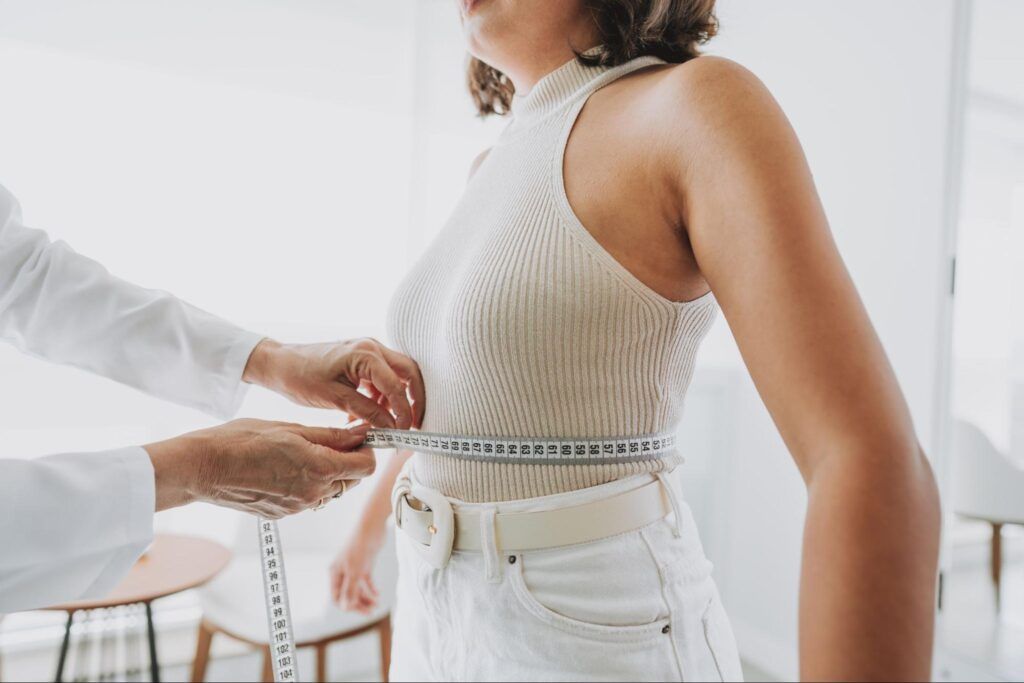
What Is Liposuction Like At BEAUTY by BUFORD?
Board-certified Dr. Buford and his team are always looking for ways to make your experience and resuls better, which is why BEAUTY by BUFORD uses VASER technology—a game-changer for liposuction. Unlike traditional liposuction, VASER (Vibration Amplification of Sound Energy at Resonance) uses ultrasound technology to gently break up and liquefy fat before it’s removed, allowing Dr. Buford to use even tinier incisions for the cannula and leave surrounding tissues untouched for smoother results and quicker recovery.
VASER liposuction is perfect for larger areas like the abdomen, thighs, and back, but it’s precise enough for delicate areas like the neck, arms, ankles, and knees.
To learn more about the surgery, check out our “What Areas Can Be Treated With Liposuction?” blog.
Can Liposuction Help You With Weight Loss?
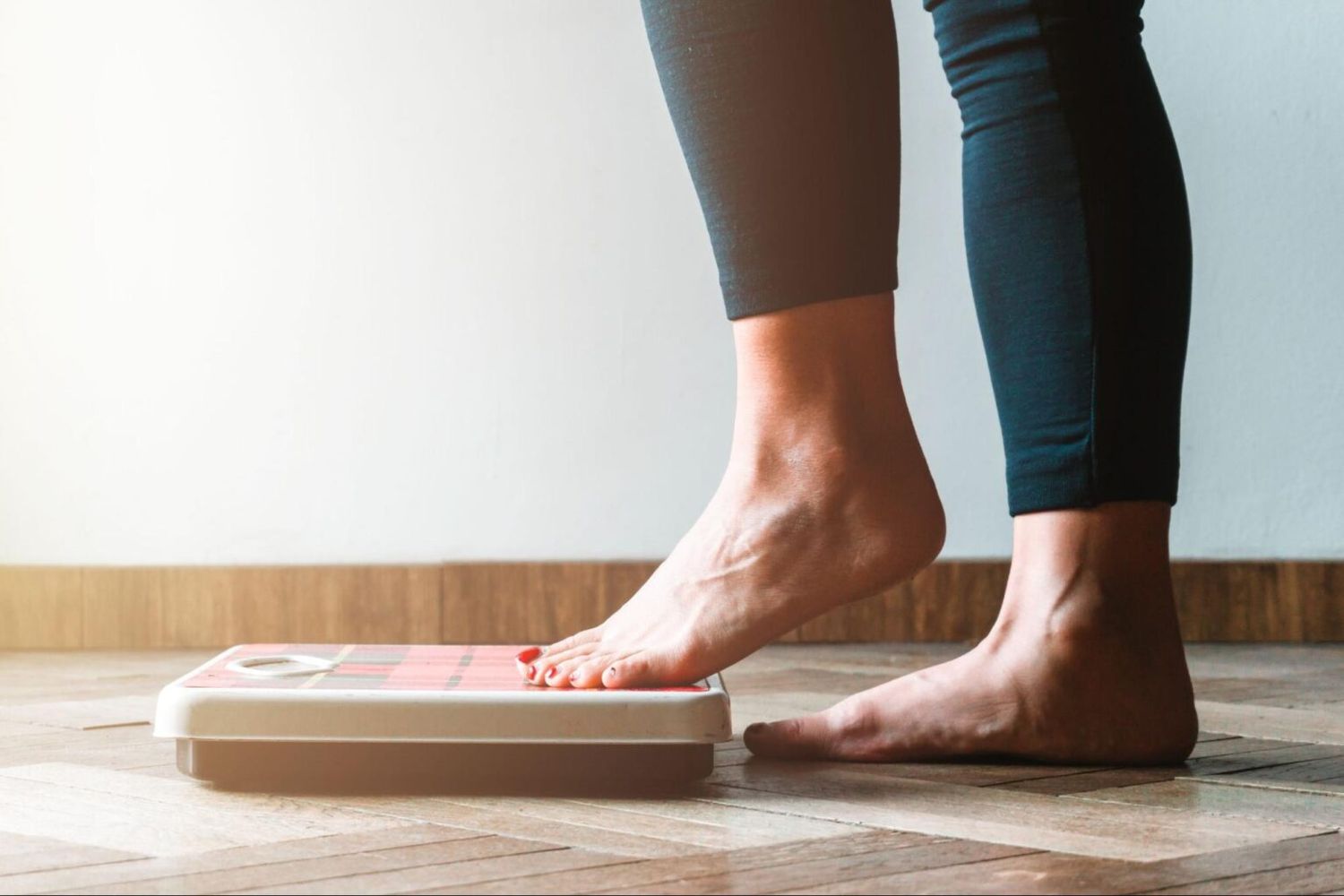
Liposuction is often misunderstood as a quick fix for weight loss. However, it’s crucial we set the record straight—liposuction is not about shedding pounds; it’s about sculpting the body. Let us explain.
What liposuction excels at is refining and reshaping areas where subcutaneous fat tends to accumulate disproportionately, like the abdomen, thighs, and hips, giving you a more balanced and aesthetically pleasing silhouette. While the scales might not show a significant drop in weight after liposuction, the mirror will reflect a more contoured, shapely figure.
But losing weight is more than what you see in the mirror and your confidence; it’s also about being healthy. Because liposuction does not remove visceral fat, the type of fat that surrounds your organs and impacts health conditions like diabetes and heart disease, it should be considered a body contouring technique, not a weight loss method.
Do You Qualify For A Liposuction?
The best way to find out if you are a candidate for liposuction is to visit Dr. Buford for an in-person or virtual consultation. If you’d like a little more information before you schedule your appointment, we totally understand and are more than happy to give you a rough idea of the typical liposuction patient.
Generally, the ideal candidates for liposuction are close to their goal weight but have localized fat deposits that are resistant to a healthy diet and exercise.
It might help to think of liposuction as the final touch after you’ve done most of the hard work. It’s best suited for individuals who are in good health, have stable weight, and possess skin with good elasticity. Here’s why:
- As previously mentioned, liposuction doesn’t address visceral fat, so it won’t help you achieve your fitness goals.
- Weight fluctuations can put your liposuction results in jeopardy.
- Liposuction does not address or remove excess skin, so skin that can bounce back and form to the body’s new aesthetic is essential for optimal results. (If you are concerned about loose skin after your liposuction, consider combining your procedure with a tummy tuck.)

Transform Yourself With BEAUTY by BUFORD.
Stop dreaming about your liposuction before and after and make it a reality with BEAUTY by BUFORD in Lone Tree, CO. Dr. Buford and his team are experts in transforming and refining your natural shape with precision and care. Whether it’s tweaking those stubborn spots with liposuction or enhancing your overall silhouette through butt lifts or mommy makeovers, our state-of-the-art treatment methods and techniques can help make your body goals come true.
Why wait to feel fantastic in your own skin? Reach out to us today to book your consultation!
You Might Also Like